
Building homes. Protecting tenants. Creating jobs.
Measure ULA is a permanent revenue source like no other in the United States. It has raised over $1 billion dollars from LA’s top 4% of real estate sales to build affordable housing, create union jobs, protect renters and prevent homelessness.
It’s a game changer for Los Angeles.
Check out more ways ULA is making an impact in LA!
ULA’s programs keep Angelenos housed
ULA Programs:
- Create permanently affordable homes
- Deliver legal support for tenants facing unlawful eviction
- Provide direct cash payments for renters in need
- Build innovative housing solutions that benefit all Angelenos
Visit our resources page to learn more.
Alternative Models
Acquisition & Rehabilitation
Capacity Building
Multifamily Affordable housing
Operating Assistance
Tenant Outreach & Education
Eviction Prevention & Defense
Short-Term Emergency Assistance
Income Assistance for Rent-Burdened Seniors & Persons with Disabilities
Protections from Tenant Harassment

Stories of ULA
““There’s people like myself that are coming straight out of homelessness, and they have those options because of ULA.””
Ve'ona
Rental assistance recipient
““I was in disbelief, in awe. I actually got down on my knees and prayed and gave thanks.””
Carlos
Rental assistance recipient
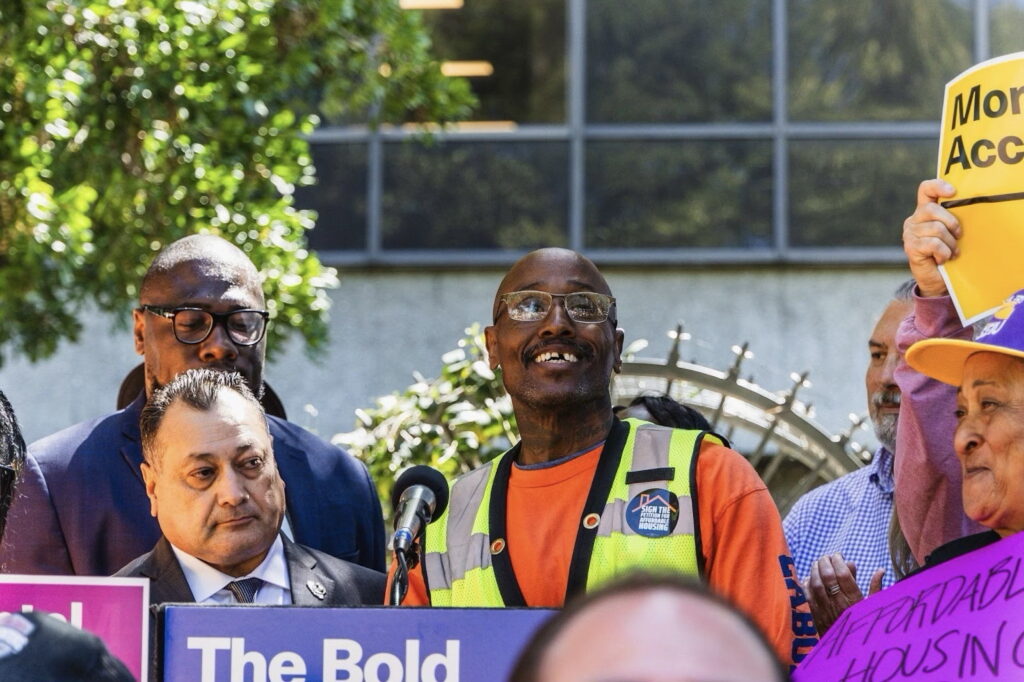
““I am an example of the impact these ballot measures can make."”
James
Previously unhoused
We are homelessness and housing experts — not politicians.
We are the LA community members, homeless service providers, affordable housing nonprofits, labor unions, community land trusts and renters’ rights groups behind Measure ULA.
How does ULA work?
ULA funds solutions that address immediate and long-term housing needs in our communities.
- ULA funding provides housing for people who have lived on the streets, sends emergency assistance to low-income seniors in danger of becoming homeless, provides legal aid to renters, protects tenants from harassment, builds permanently affordable housing, and so much more.
- Funding comes from a one-time tax when real estate sells for more than $5.3 million in LA City, adjusted annually.
- ULA Program Guidelines ensure every dollar spent through ULA follows the ballot measure Angelenos voted for.
- An independent Citizen’s Oversight Committee evaluates how all funds are used to ensure ULA continues to meet the expectations of LA voters.
How much housing has ULA actually built?
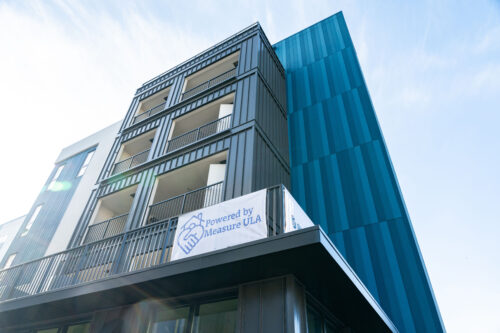
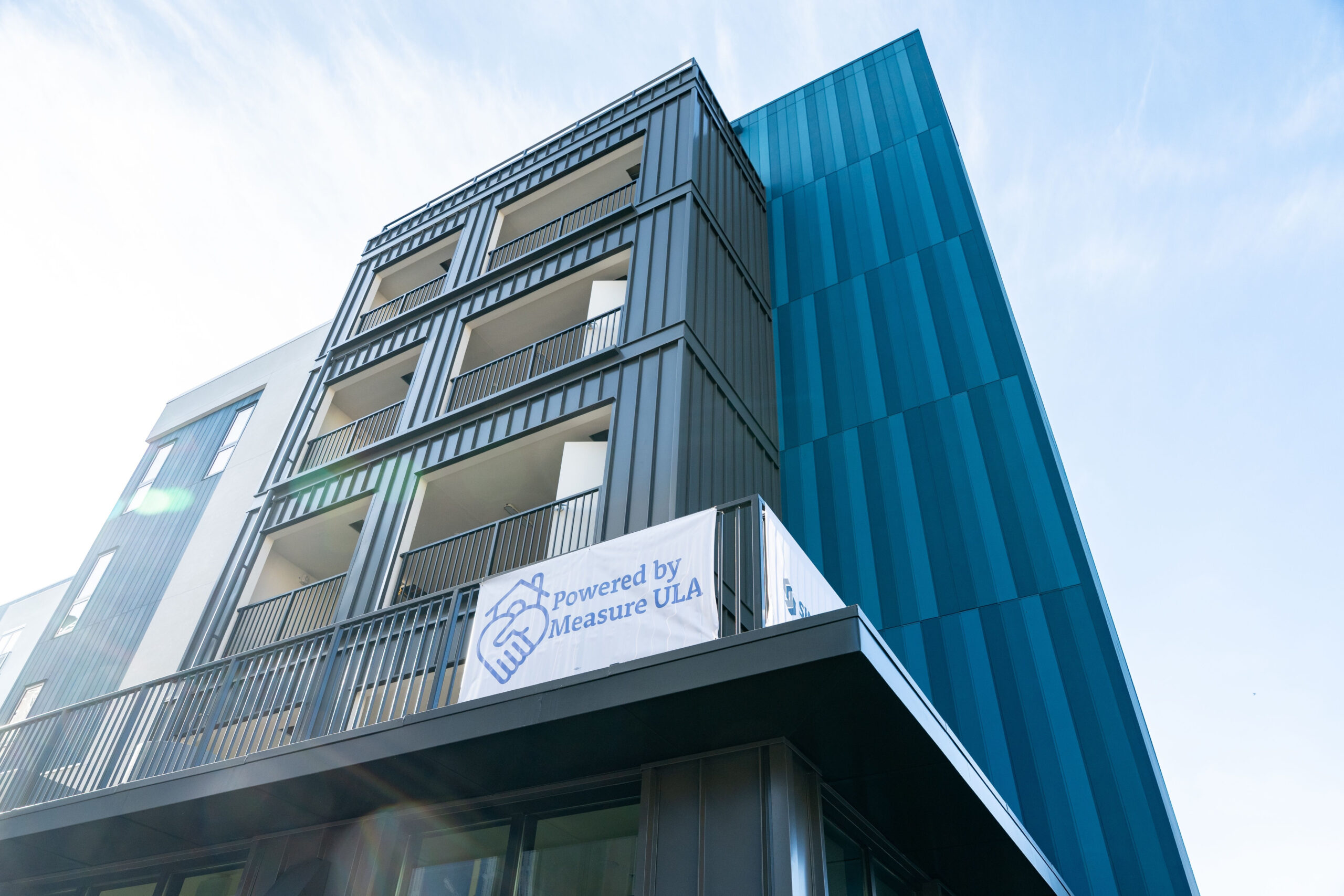
ULA’s “Accelerator Plus” round funded 795 affordable homes in ten different buildings across LA.
As of November 2025, 187 are open at Santa Monica & Vermont, 177 are about to open at the three Enlightenment Plaza apartment buildings, and ground has broken at Peak Plaza (104 units) and Grace Villas (48 units). On the way are Alveare Family (105 units), The Main (64 units) and Chavez Gardens (110 units).
Critics sometimes allege that ULA “has only spent $1.5 million” (or some other ridiculously low amount). This is disingenuous — affordable housing projects often use money from different sources, and ULA funding may be the last to be drawn down. But whether or not the actual check has been written and cashed, having it committed means the difference between homes being built and projects dying on the vine. Other delays were the fault of opponents themselves, as lawsuits created hesitation to spend or build.
What is Measure ULA’s effect on the economy?
It’s too soon to tell Measure ULA’s effects, it’s too hard to separate Measure ULA’s effects from the rest of the economy, and LA’s real estate market is actually a lot stronger than real estate interests admit.
Flawed academic studies misrepresented Measure ULA and LA’s economy in order to support weakening Measure ULA. Here’s what they missed:
Too soon to tell. Developers rushed to sell before ULA passed, and more developers have held off selling while waiting for LA’s delayed zoning reform.
The economy is complicated. National economic conditions like high interest rates, tariffs and construction costs all play a bigger part than the reports consider. They tried to separate out those factors but experts say their methodology was weak and their sample size small.
LA’s real estate market is doing better than they say. Measure ULA’s revenues go up almost every single quarter, new development entitlements have surged, permits have surged year-over-year, and the CHIP zoning reform delivered a rush of project applications.
Check out more frequently asked questions