
May 14, 2026

Panel highlights ULA progress before Ad Hoc Committee
Last week, we had the opportunity to explain to the Los Angeles City Council Ad Hoc Committee just how well Measure ULA is working, and that proposed cuts and loopholes would only make Los Angeles’s housing crisis worse.
Affordable housing developers, researchers, teachers, union leaders, and organizers joined our panel in defense of ULA and in opposition to the real estate interests bent on slashing ULA funding.
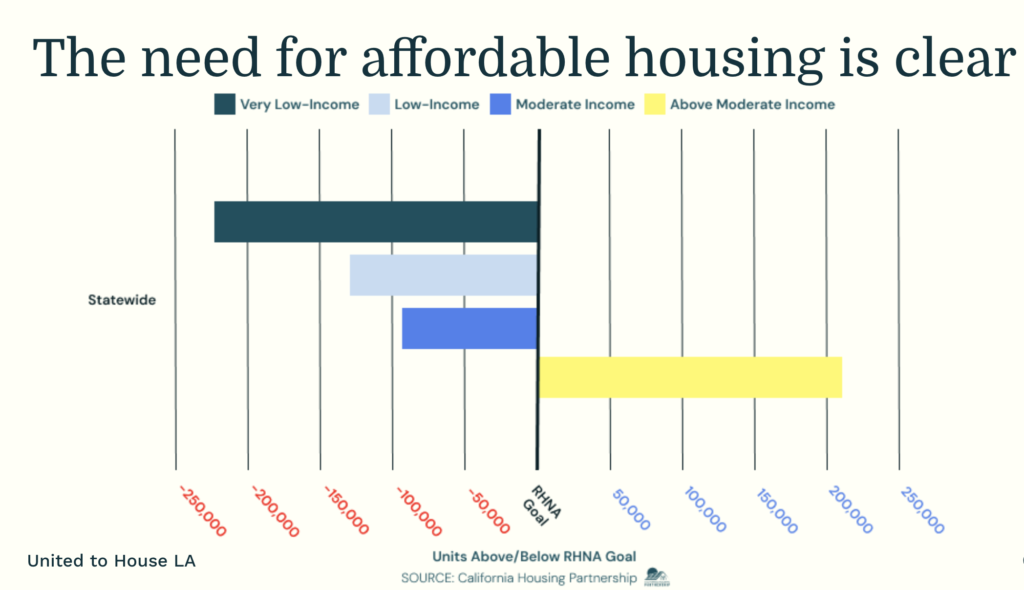
We told the Ad Hoc Committee that to solve the housing crisis, we need affordable housing. ULA is building that housing. So far, ULA has funded over 5,600 units of affordable housing and 1,900 units of new construction.
Monica Mejia, of the East LA Community Corporation, put it this way, “No other city in the country—and likely no other city in most countries around the world—has a program that funds affordable housing at this level. Best of all: ULA has just gotten started. Imagine how the effects of this scale of investments and programs will compound year after year.”
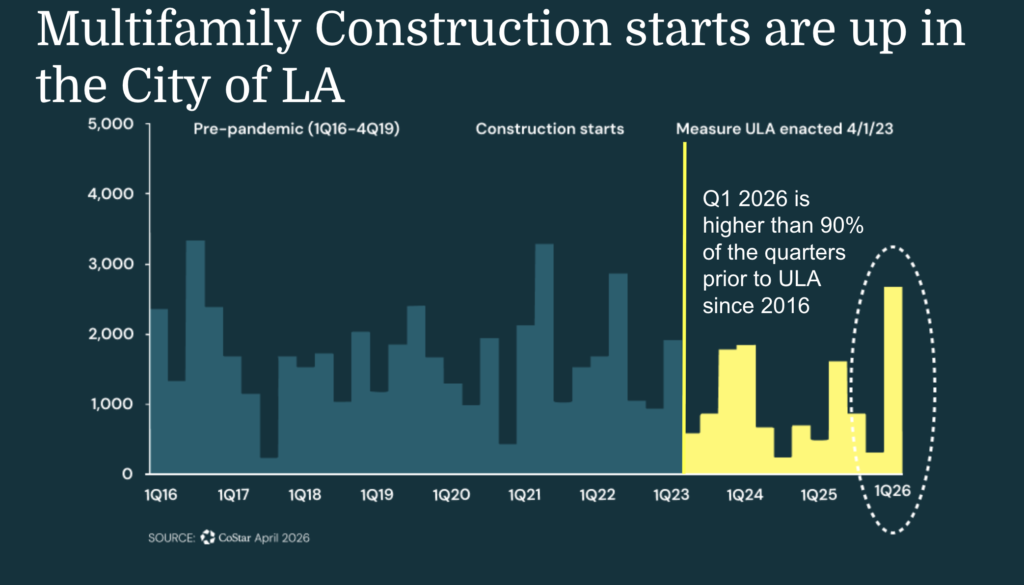
Our opponents argue that ULA is hurting housing construction, but we know this is not true. We have seen that the market is adjusting to the spike in interest rates and studies have shown that projects that claim to be made infeasible by ULA generally would not pencil out to begin with. Despite this data, our opponents have proposed a 15-year exemption period for new construction during which no ULA revenue at all would be collected.
Ted Chandler, a senior advisor to the AFL-CIO Housing Investment Trust, pushed back on our opponents’ claims when he told the Ad Hoc Committee, “In its first year and a half, ULA generated about $25 million per month—and in the last year, that’s gone up to over $40 million per month…I’ve been a lender to rental housing for more than 30 years, and I can tell you that no construction lender even considers a transfer tax in their decision to make a loan.”

The Ad Hoc Committee heard from the opposition last month, and their proposed cuts—founded on false claims—would have devastating real-world consequences. ULA has played a major role in the 17.5% decrease in street homelessness and a 16% reduction in eviction filings, provided over $54 million in direct assistance, and created or accelerated thousands of jobs. Throwing all of that away would do real damage to the lives of hard-working people across Los Angeles.
Antonio Sanchez of IBEW Local 11 told the Ad Hoc Committee, “Already, thousands of construction jobs have been accelerated thanks to ULA, and with the recent $360 million going out to invest in neighborhoods across the City, many more jobs and construction careers will be created.”
There is room for improvement. We want to see an end to budgetary, contractual, and logistical delays and a path to better implementation of ULA. But that will be impossible if funding is slashed and loopholes are created that allow the wealthy to avoid paying into LA’s future. In fact, a number of changes that would streamline the flow of ULA funding have been passed in committee, but for reasons that remain unclear, they have not gone to the full council.
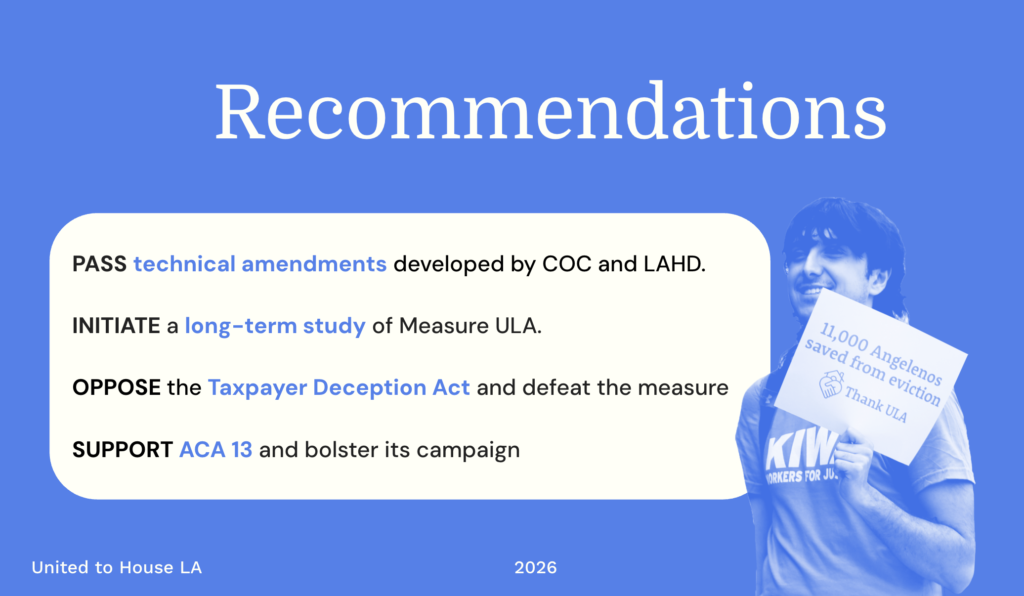
We ended our presentation with four recommendations. We asked the City Council to pass the technical amendments developed by COC and LAHD. We proposed that the City Council initiate a long-term study of ULA. We urged the City to formally oppose the Taxpayer Deception Act and support ACA 13 on the November ballot.
We will continue our vigorous defense of every dollar committed to ULA funding as challenges come in from City Hall and Sacramento, and we deeply appreciate your support as we work together to protect ULA!
Get the latest news on ULA and ULA-related actions
on Instagram: https://www.instagram.com/unitedtohousela/
on LinkedIn: https://www.linkedin.com/company/united-to-house-la

ULA Resources
- LA Housing Department’s ULA Dashboards
- ULA Citizens Oversight Committee (COC)
- United to House LA Coalition
This newsletter is produced by the United to House LA (UHLA) Coalition that includes over 240 local nonprofit social service providers, community and tenant organizations, labor unions, affordable housing developers, faith-based organizations, and other groups that came together to craft Measure ULA and who have stayed together to make sure that its implementation is carried out effectively and efficiently by the City government.
If someone forwarded this email to you, and you want to sign up, click here.