
March 26, 2026
Read the stories of the impact ULA is having on Angelenos
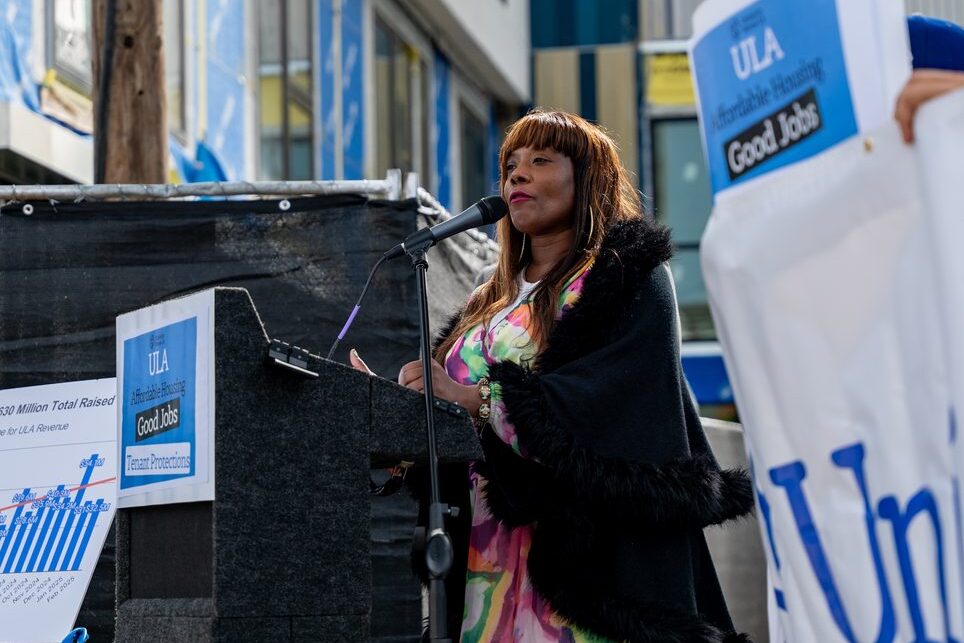
Ve’ona, rental assistance recipient
Ve’ona grew up in South LA. Her father was a community leader and she was a successful business owner in the community. After a lupus diagnosis, her life changed forever and she eventually lost her home. Ve’ona was able to find housing again but her illness made it difficult to stay on top of rent payments. Organizers at SAJE and TRUST South LA helped her get $10,000 in rental assistance from Measure ULA funds so that she could stay housed.
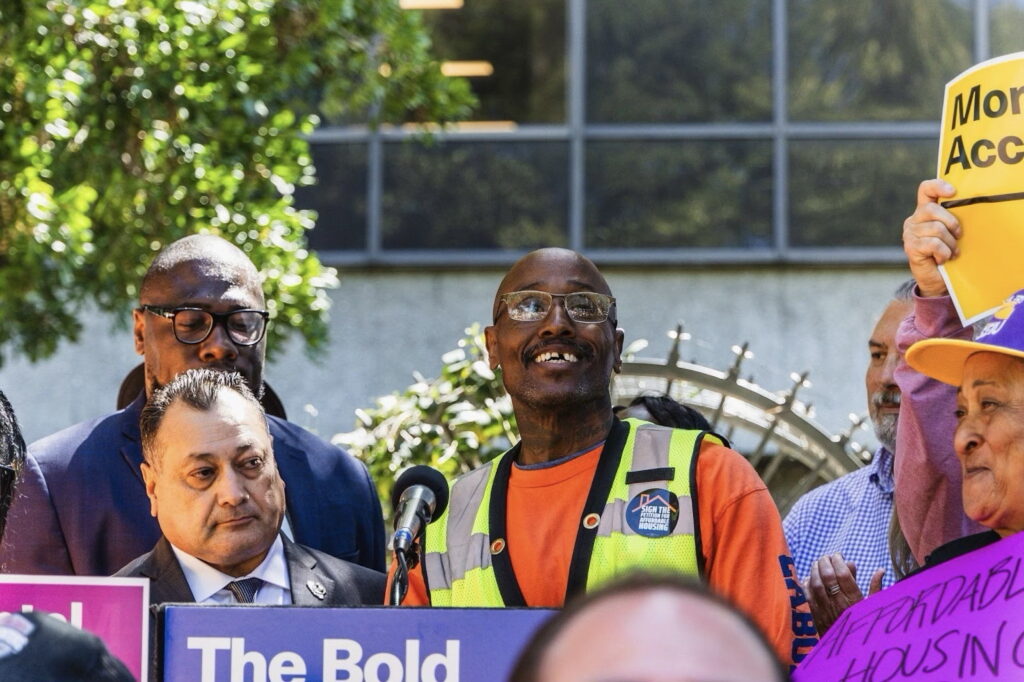
James, previously unhoused
James Morgan, a 54-year-old journeyman construction worker and a member of Local 300 of the Laborers Union, knows how much difference a home can make. Morgan was unhoused for a time after he completed his service in the U.S. Army, and he subsequently served a short term in prison — struggles that many veterans face.
After leaving prison, he connected with the Anti-Recidivism Coalition, which partners with the building trades unions’ apprenticeship program. Morgan completed his apprenticeship and has found a steady career in construction work.
But his housing difficulties left an impression on Morgan, and when the campaign to pass Measure ULA got under way in 2022, Morgan took a leadership role as one of the lead volunteers on the ground. To him, Measure ULA is a jobs program as well as a housing program. It’s the same reason he also supported County Measure A in 2024, a small sales tax which is expected to raise more than $1 billion per year for housing and homelessness programs across LA County.
“I am an example of the impact these ballot measures can make,” he said. “My wife and I are saving for our first home. We want all Angelenos to be able to call some place their home.”
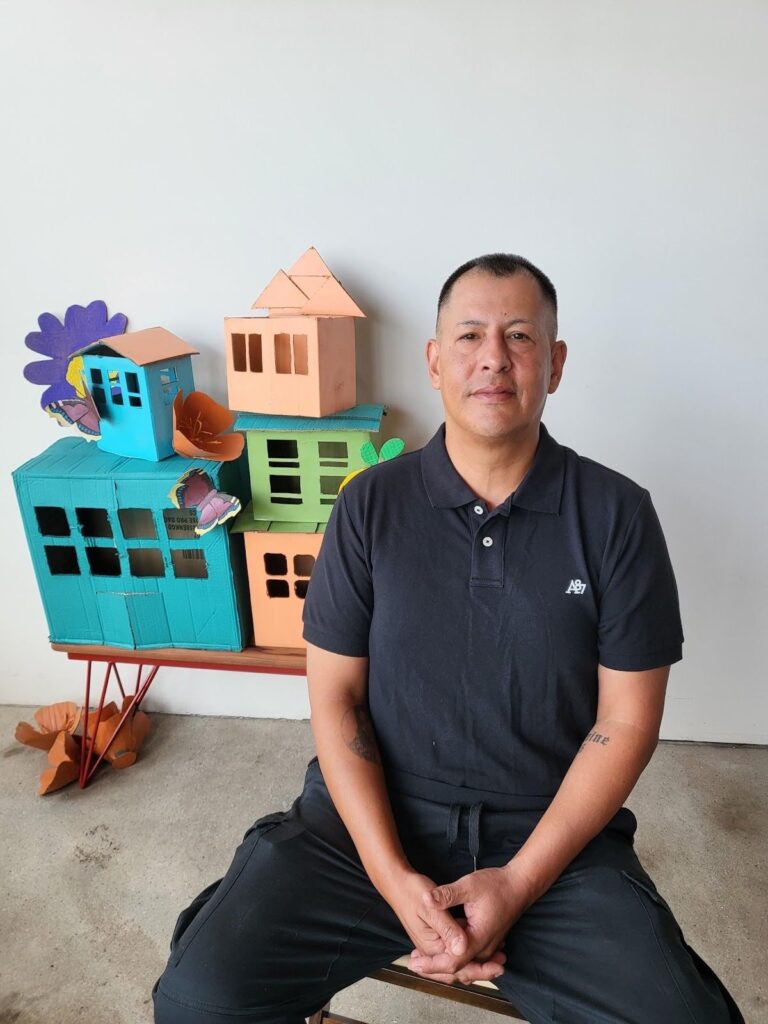
I was in disbelief, in awe. I actually got down on my knees and prayed and gave thanks.
Carlos
Carlos, rental assistance recipient
Carlos Casillas, a 50-year-old renter in Los Angeles, lives in a 150-square-foot studio apartment in Highland Park, a longtime Latino neighborhood that has been gentrifying. The rent is $1,450 a month.
“I had no choice,” he said. “I needed a place to live. So I told myself I gotta work three jobs.”
Casillas drives for Uber and Postmates, does construction work, and is a first responder at a mental health center, dispatched by the L.A. Police Department to de-escalate potentially violent situations, mostly involving unhoused persons. A divorced father of three who was born and raised in Los Angeles, Casillas was worried that he might become unhoused himself.
“I was stressed out, living paycheck to paycheck,” he said. “I had insomnia. It was hard for me to concentrate at work, to give 100 percent to the unhoused clients I was supporting, knowing that I could be in their shoes at any given moment if anything goes wrong. My main concern at the time was my children — the stress and the fear they would have had knowing that their father was homeless.”
Fortunately, he saw a flyer for a local community organizing group, LA Más. Casillas attended a few meetings and met with the staff, who told him about a new rental assistance program funded by ULA for people threatened with eviction, and they helped him apply.
Without the assistance, Casillas would have been living in his car.
“When I finally got the email saying, congratulations, we are going to assist you with the funds for six months of back rent, I was in disbelief, in awe,” Casillas said. “I actually got down on my knees and prayed and gave thanks. It was a big weight off my shoulders, and I was able to breathe. And I was able to sleep again.”
Carlos Casillas is one of about 10,000 renters who have received rent relief under the ULA program.